1. Affordability and Cost of Living
- Housing: Compared to Western European capitals, rent and property prices in Budapest remain relatively affordable. You can find a decent one-bedroom apartment in the city center for around €600–€800 per month, while a similar place outside the core districts may run €400–€600.
- Day-to-day expenses: Groceries, dining out, and utilities tend to be cheaper than in many other EU capitals. A meal at a mid-range restaurant can cost roughly €8–€12, and a monthly public transport pass is around €30.
- Income vs. expenses: Average salaries in Hungary are below Western European levels—around €1,000–€1,200 net per month for many office jobs as of early 2025—but if you work for an international company (particularly in IT, finance, or language teaching), your purchasing power can stretch quite far.
2. Quality of Public Services
- Public transport: Budapest’s metro, tram, and bus network is extensive, safe, and generally punctual. The four metro lines cover most of the core, and trams (especially Line 4/6 along the Grand Boulevard) run frequently from early morning until late at night.
- Healthcare: The public healthcare system can be slower and more bureaucratic than in Western Europe, but private clinics (widely available in the city) offer excellent English-speaking doctors, shorter wait times, and international medical standards—still at prices below what you’d pay in, say, London or Berlin.
- Education: There is a growing selection of international schools (e.g., British International School, American International School) offering IB or British curricula. Hungarian-language state schools are free but follow the national curriculum, which can be quite rigorous.
3. Cultural and Social Life
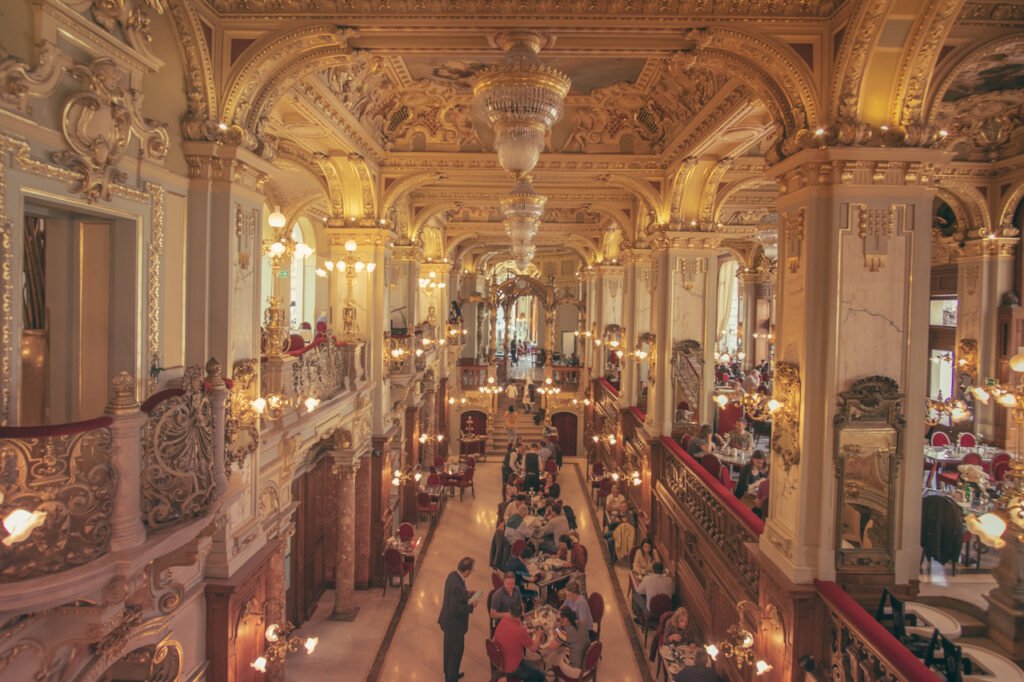
- History & architecture: The city’s skyline—featuring the Parliament building, Buda Castle, Matthias Church, and bridges over the Danube—offers a constant reminder of Hungary’s rich heritage. Strolling areas like Andrássy Avenue or wandering in the Castle District feels like living inside a museum (in a good way).
- Cafés and nightlife: Budapest has a thriving “ruin-pub” scene—bars set up in old, abandoned buildings (Szimpla Kert being the flagship)—alongside sleek cocktail lounges, live-music venues, and craft-beer pubs. For quieter evenings, you can grab coffee in one of the many café-bookstores or attend a classical concert in a historic concert hall.
- Festivals: Throughout the year, you’ll find music festivals (Sziget in August, Budapest Jazz Festival in April/May), food fairs, design weeks, and cultural celebrations (e.g., St. Stephen’s Day fireworks on August 20).
4. Neighborhoods and Lifestyle
- Belváros (District V) & Lipótváros (District V): The true heart of Pest—walking distance to Parliament, Váci Street shops, and many cafés. It’s lively and very central, but rents are on the higher side.
- Terézváros (District VI) & Erzsébetváros (District VII): Trendy quarters full of ruin pubs, art galleries, and boutiques. Erzsébetváros (the old Jewish Quarter) has a buzzing nightlife, while Terézváros offers a more “Parisian boulevard” vibe.
- Józsefváros (District VIII) & Ferencváros (District IX): Up-and-coming areas where redevelopment is ongoing. You’ll find a mix of student crowds, new cafés, and traditional markets (such as Nagyvásárcsarnok in District IX). Rents are generally lower than closer to the river, but some pockets still feel gritty.
- Buda (Districts I, II, III, XI): Hilly, greener, and quieter—popular with families. District I (the Castle District) is historic and picturesque; District II has leafy residential streets; District XI (near Gellért Hill and the Danube) offers modern apartments, good schools, and easy tram access into the city center.
5. Language and Integration
- Hungarian language: Hungarian is famously challenging, and outside the service industry or younger crowds, English proficiency can be limited. However, day-to-day life (shopping, cafés, public transport) is quite manageable with basic English. Learning some Hungarian will go a long way for deeper integration.
- Expat community: There’s a sizable expat population—especially in tech, teaching, and tourism—so you’ll find English-language meetups (e.g., language-exchange groups, startup networking events) in most neighborhoods.
6. Safety and Cleanliness
- Crime rate: Budapest is generally safe: petty theft (pickpocketing) can occur in crowded tourist areas, but violent crime is rare. Most locals feel comfortable walking alone in central districts even late at night.
- Cleanliness: The city pays attention to parks and public areas—Margaret Island and City Park (Városliget) are well maintained. Some older residential zones can look a bit worn, but overall, public streets are clean.
7. Climate and Recreation
- Weather: Budapest has a continental climate—hot summers (highs around 30–35 °C in July/August) and cold winters (lows around –2 to –5 °C in January). Spring and autumn are pleasant, though spring can bring sudden rains.
- Green spaces: You’re never far from a park. Margaret Island in the middle of the Danube is a popular weekend retreat with bike paths, swimming pools, and rose gardens. Normafa (Buda Hills) offers hiking trails and a cooler climate on hot days.
- Day trips: Vienna is about 2.5 hours away by train, and Lake Balaton is roughly 1.5 hours southwest—making weekend getaways very convenient.
Pros and Cons at a Glance
| Pros | Cons |
|---|---|
| ✦ Affordable housing and lower living costs compared to Western Europe | ✦ Hungarian language barrier can be steep |
| ✦ Vibrant cultural scene (concerts, festivals, cafés) | ✦ Average local salaries are comparatively low |
| ✦ Efficient public transportation network | ✦ Winters can be chilly and gray |
| ✦ Rich history and beautiful architecture | ✦ Public-sector bureaucracy can be slow |
| ✦ Growing international school options | ✦ Some districts still awaiting redevelopment |
Conclusion
On balance, Budapest is considered a very nice place to live—especially if you value:
- Affordability: Your euro or dollar stretches further here.
- Cultural richness: History, architecture, and a lively arts scene.
- Convenience: Efficient transit, central location in Europe for travel.
That said, adapting to the language and navigating public-sector red tape can be hurdles. If you’re drawn to a city that combines picturesque “Old World” charm with a dynamic modern lifestyle—without the sky-high costs of Western capitals—Budapest is well worth considering.